Why Sunglasses Lens Category Number Matters More Than Tint Color for Sport Performance
Shopping for sport sunglasses by lens color — assuming a darker tint automatically means better protection — misses the number that actually determines performance: the lens category rating, which measures how much visible light actually gets blocked, independent of tint color entirely.

Why Lens Color Is Mostly Aesthetic While Lens Category Determines Actual Light-Blocking Performance
The color-versus-category distinction: the tint-color-affects-how-colors-and-contrast-appear-not-how-much-light-is-blocked (the a lens’s hue changing visual perception of the scene rather than the total amount of light getting through — the tint-affects-perception-not-blocking), the the-lens-category-is-a-standardized-rating-of-how-much-visible-light-a-lens-actually-blocks (the a specific numbered scale that measures light transmission directly, unrelated to color — the category-measures-actual-light-transmission), the the-two-lenses-in-completely-different-colors-can-share-the-identical-category-rating (the color and category being independent variables that can combine in almost any combination — the color-and-category-are-independent), and the reframe (a lens looking darker or a certain color giving no reliable information about its actual light-blocking performance, which only the category number confirms).

The Specific Category Number Suited to Different Outdoor Sports
The actual guidance: the category-2-suits-typical-overcast-to-moderate-daylight-conditions (the a lower rating fitting activities in less intense or variable light — the category-2-for-moderate-daylight), the the-category-3-suits-typical-bright-sunny-day-outdoor-activity-including-most-running-and-cycling (the the most common all-purpose rating for a lot of everyday outdoor sport use — the category-3-for-typical-bright-sun-sport), the the-category-4-suits-high-glare-environments-like-snow-water-or-high-altitude (the a much higher rating reserved for particularly intense glare conditions, not everyday use — the category-4-for-high-glare-only), and the frame (category 2 for overcast-to-moderate conditions, category 3 for typical bright-sun sport, and category 4 reserved specifically for snow, water or high-altitude glare — three distinct use cases, not one universal choice).
How to Check It Before Buying Instead of Judging by Tint Alone
The practical check: the look-for-the-category-number-printed-on-the-lens-or-listed-in-the-product-description (the a specific, checkable spec that’s usually available even if not obviously displayed on the frame itself — the find-the-printed-or-listed-category-number), the the-match-the-category-to-the-actual-primary-sport-and-conditions-not-the-color-that-looks-appealing (the making the category the deciding factor over aesthetic tint preference — the match-category-to-actual-use-not-color-preference), the the-avoid-assuming-a-darker-tint-alone-confirms-a-higher-category (the double-checking the actual number rather than trusting a visual impression of darkness — the dont-assume-darkness-equals-category), and the frame (finding the printed category number, matching it to actual sport and conditions rather than color preference, and never assuming visual darkness alone confirms the right category — the process that replaces judging lenses by tint).
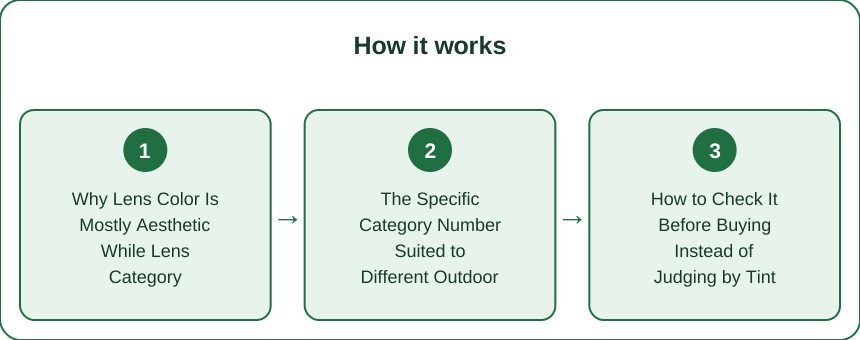
Shopping for sport sunglasses by tint color and assuming darker automatically means better protection misses the number that actually determines performance, since color affects how colors and contrast appear while the standardized lens category rating measures how much visible light actually gets blocked — two independent variables that can combine in almost any way. Category 2 suits overcast to moderate daylight, category 3 covers typical bright-sun outdoor sport including most running and cycling, and category 4 is reserved specifically for high-glare environments like snow, water or high altitude rather than everyday use. Check the actual category number printed on the lens or listed in the product description, match it to the real primary sport and conditions rather than an appealing tint color, and never assume a visually darker lens alone confirms a higher category.
Keep Reading
This article is for general informational and styling purposes only. Fit, sizing, and product availability may vary.