Sport Sunglasses: See Clearly, Run Brightly
Fashion sunglasses on a run reveal their true nature within a mile: bouncing, sliding, fogging and eventually riding your nose like a slow avalanche. Sport sunglasses are different machines — grip, coverage and lens science built for motion. The guide.
Why Sport Frames Differ
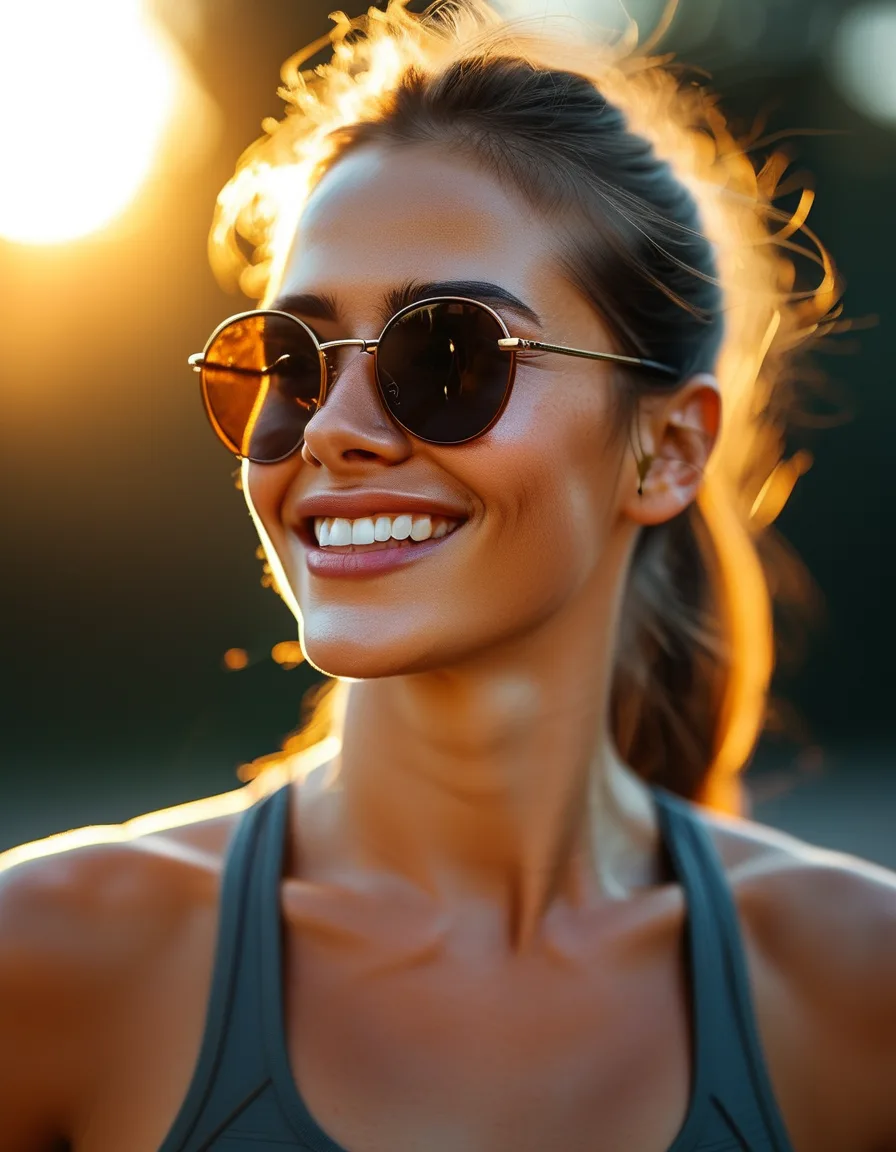
The engineering gap: sport frames grip (rubberized nose pads and temples that tighten with sweat rather than slipping), wrap (coverage against wind, UV from angles, and the road grit of cycling), weigh nothing (the forget-they’re-on standard), and survive drops. The fashion pair does none of this — which is fine; it has a different job. The two-pair life (sport + street) is the standard answer.
The Lens Science
The color decoder: dark grey/smoke (true-color bright-day standard), brown/copper (contrast boost — trail and variable light), rose/amber (the low-light and overcast champion — surprisingly the most versatile running tint), yellow (dawn-dusk specialist), and clear (night and wind protection). Photochromic lenses (auto-darkening) are the one-pair-for-everything premium answer. Polarization: glorious for water and driving, debated for trail running (it can flatten depth perception on uneven ground) — know the trade.
The Fit-and-Function Checks
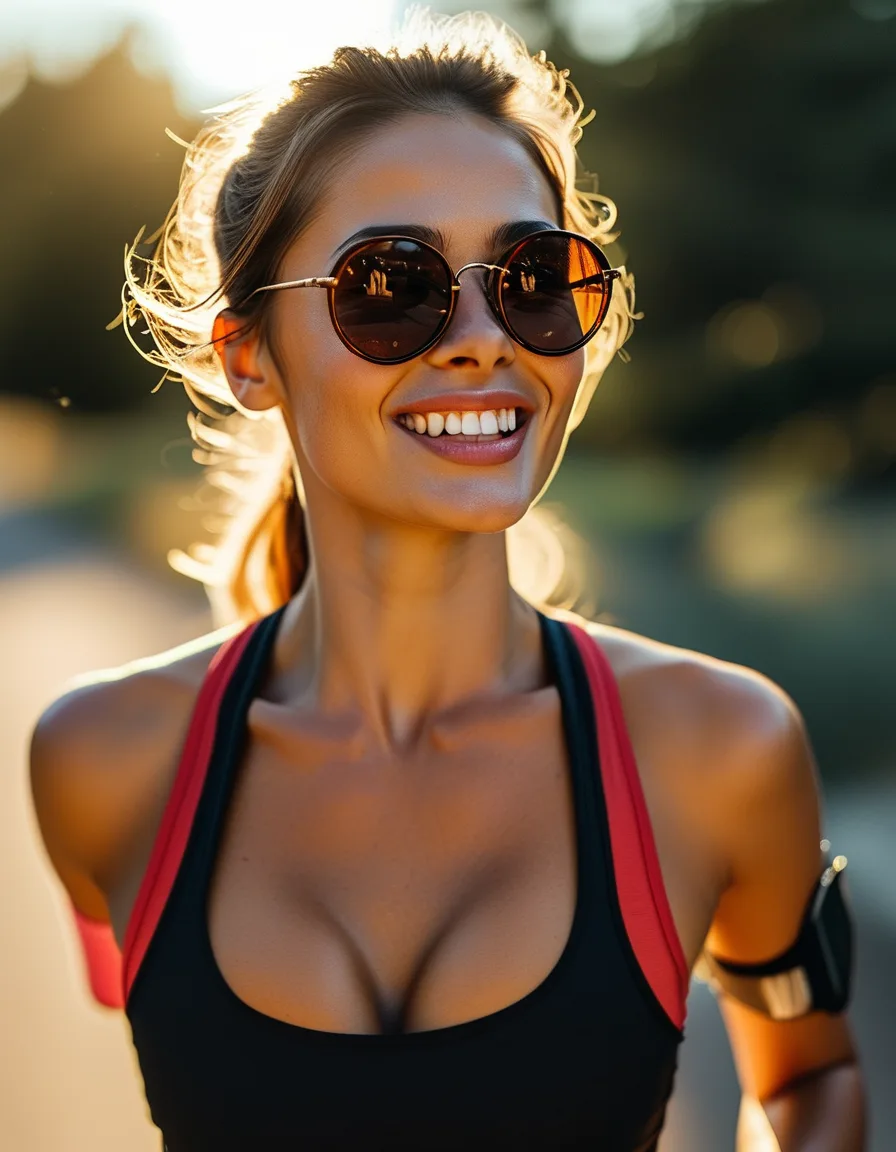
The buying exam: the shake test (vigorous head shake in the shop — bounce now means bounce forever), the cheek-contact check (frames touching cheeks fog and bounce with every stride), ventilation architecture (the anti-fog design is spacing, not magic), the ponytail-and-cap compatibility (temples that fight your hat lose), and coverage without tunnel vision. UV400 is the non-negotiable baseline — protection is the actual product; everything else is delivery.
The Care-and-Case Discipline
Making them last: the hard case lives in the gym bag (sport shades die in bag-bottom combat, not on runs), rinse after sweaty sessions (sweat salt corrodes coatings), microfiber-only cleaning (the shirt-hem wipe is a scratch subscription), and the retainer strap for water sports. The eye-health note that justifies it all: UV damage is cumulative and eyes don’t sunburn visibly — the shades are sunscreen for the one organ you can’t reapply on. Squint less, see more, protect always.
Grip and wrap, rose lenses surprise, shake-test in the shop, UV400 minimum. Sport sunglasses are eye protection that keeps up — the fashion pair can have the café table.
Keep Reading
This article is for general informational and styling purposes only. Fit, sizing, and product availability may vary.