Why the Tint Color of Sport Sunglasses Matters Far Less Than the Lens Category Number Printed Inside
Choosing sport sunglasses by tint color alone — reaching for the rose or blue mirror lens that looks best against a particular outfit — feels like the natural way to shop, and it skips over the one number that actually determines how well those lenses protect the eyes on a bright day, because tint color and lens category are measuring two completely different things.
Why Lens Category Measures Actual Light Blocked
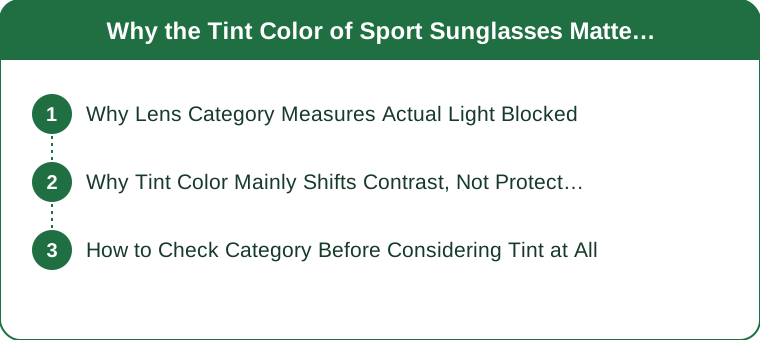
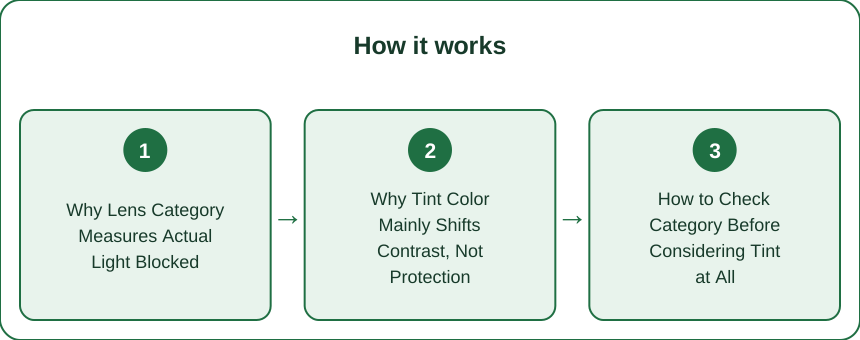
The metric: lens-category-printed-as-a-number-from-zero-to-four-inside-most-sunglasses-frames-indicates-the-actual-percentage-of-visible-light-the-lens-physically-blocks (lens category, printed as a number from zero to four inside most sport sunglasses frames, indicating the actual measured percentage of visible light that specific lens physically blocks from reaching the eye, regardless of what color the lens itself happens to be, per the sport-sunglasses-lens-guide logic — lens-category-printed-as-a-number-from-zero-to-four-inside-most-sport-sunglasses-frames-indicating-the-actual-measured-percentage-of-visible-light-that-lens-physically-blocks-regardless-of-color), and the reframe (category being the actual protection spec, hidden inside the frame rather than visible from outside)).

Why Tint Color Mainly Shifts Contrast, Not Protection
The distinction: tint-color-primarily-changes-how-contrast-and-certain-wavelengths-are-perceived-visually-and-has-only-a-minor-loose-relationship-to-the-actual-percentage-of-light-blocked (tint color primarily changing how contrast and certain wavelengths of light are perceived visually by the wearer, and having only a fairly minor, loose relationship to the actual percentage of overall light the lens blocks, per the polarized-sport-sunglasses-guide logic — tint-color-primarily-changing-how-contrast-and-certain-wavelengths-of-light-are-perceived-visually-by-the-wearer-and-having-only-a-minor-loose-relationship-to-the-actual-percentage-of-light-blocked), and the frame (a flattering or high-contrast tint being entirely compatible with genuinely weak light protection underneath)).
How to Check Category Before Considering Tint at All
The sequence: check-the-lens-category-number-printed-inside-the-frame-first-and-confirm-it-matches-the-brightness-of-the-intended-activity-before-ever-factoring-tint-color-into-the-decision (checking the lens category number printed inside the frame first, and confirming it actually matches the brightness level of the intended outdoor activity, before ever factoring tint color into the buying decision at all, per the running-sunglasses-guide logic — checking-the-lens-category-number-printed-inside-the-frame-first-and-confirming-it-matches-the-brightness-level-of-the-intended-activity-before-ever-factoring-tint-color-into-the-decision), and the frame (protection spec settled first, aesthetic preference decided only afterward)).
Lens category, printed as a number from zero to four inside most frames, measures the actual percentage of visible light a lens physically blocks, while tint color mainly shifts how contrast and certain wavelengths are perceived and has only a loose relationship to real protection. Checking that category number first, and matching it to the brightness of the intended activity, settles actual protection before tint color ever enters the decision, rather than choosing by color and hoping the category works out.
Keep Reading
This article is for general informational and styling purposes only. Fit, sizing, and product availability may vary.