Sunglasses Fit: The Face-Shape Myths, the Real Fit Points and Finding Your Pair
Sunglasses advice obsesses over face-shape geometry while the pairs that actually get worn share something simpler — they FIT: the nose, the temples, the coverage, the comfort. The fit guide: the shape myths right-sized, the real fit points and the protocol.
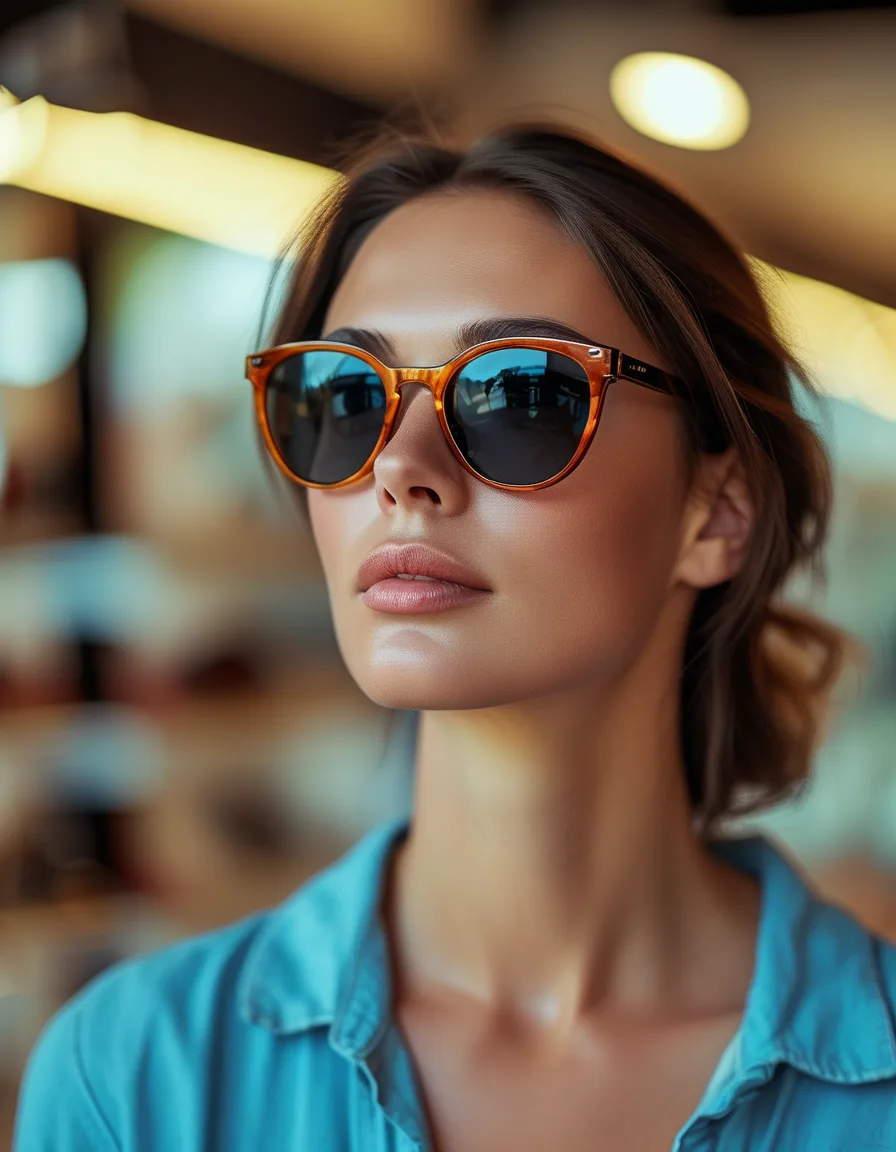
The Face-Shape Truth
The rules, right-sized: the classic guidance (the round-face-angular-frame and square-face-round-frame contrast logic — the oval’s anything-goes; the heart-and-oblong notes; the guidelines being real aesthetic tendencies), the myth calibration (the rules being suggestions, not laws — the ‘wrong’ shape worn with confidence beating the ‘right’ one worn doubtfully; the trying-beats-theorizing principle per the confidence doctrine), the scale factor (the frame SIZE mattering more than shape — the frame-to-face proportion; the oversized-on-petite and tiny-on-broad mismatches being the actual errors per the proportion doctrine), the personal-style override (the frames serving YOUR aesthetic from the style doctrine — the wardrobe-and-personality match; the sunglasses as the face’s accessory per the accessory doctrine), and the confidence close (the mirror-and-gut verdict outranking every chart — the pair you reach for being the right pair).
The Real Fit Points
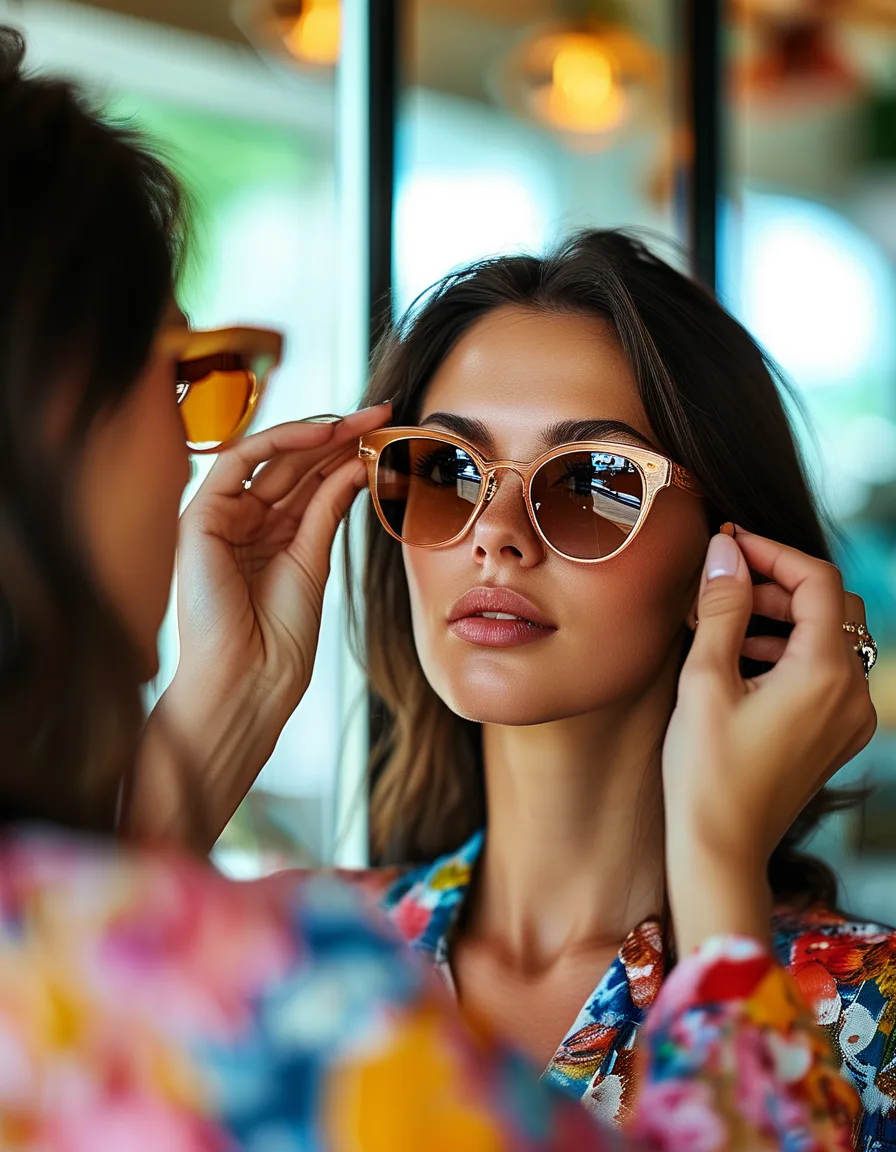
What actually matters: the nose-bridge foundation (the frame resting on the bridge without sliding or pinching — the low-bridge fit options for the flatter-bridged: the category solving the constant-slide problem many faces have; the adjustable-pad frames’ advantage), the temple-arm calibration (the arms gripping without squeezing — the over-ear comfort; the headache-pressure audit; the arm length that keeps lenses level), the lash-and-cheek clearance (the lenses off the lashes and cheeks — the blink-brush and the smile-bump tests; the cheek-resting frames fogging and smudging), the coverage assessment (the eyes centered in the lenses — the eyebrow relationship; the side-light gaps for the sun-serious per the sun doctrine), the weight distribution (the balanced frame that doesn’t nose-dig — the all-day-wear test; the materials-and-grams from the running doctrine), and the level check (the frames sitting straight — the asymmetric-ear reality that adjustable arms solve; the optician’s free-adjustment service being underused).
The Try-On Protocol
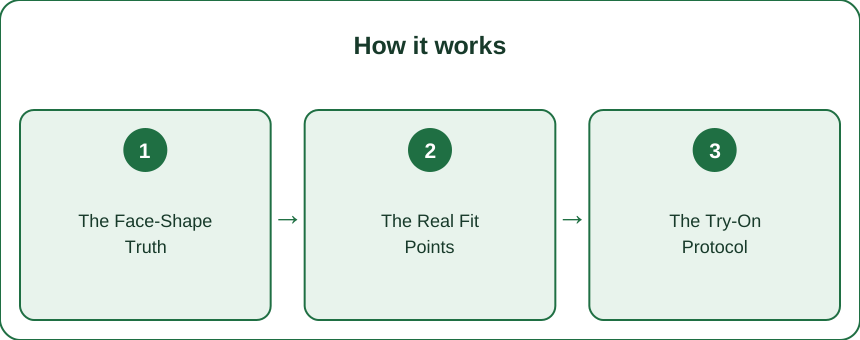
Finding the pair: the in-store circuit (the nod-shake-and-smile tests — the slide-and-pinch audit; the five-minute wear before deciding per the trial doctrine), the light-check step (the frames worn to the door — the actual-sunlight preview; the store-lighting lie), the use-case matching (the daily-wear versus the sport pair from the running doctrine — the driving priority from the shades doctrine; the wardrobe-neutral color for the one-pair person per the capsule doctrine), the online-buying craft (the measurements from a fitting pair — the frame-width numbers inside your current arms; the try-at-home programs and return windows per the online doctrine), the budget-and-lens floor (the UV standard at every price from the sun doctrine — the optical-quality check: the straight-line test through the lens; the spend on fit-and-lens before brand), the adjustment aftercare (the optician tweak for the almost-right pair — the free service that perfects), and the closing frame (the sunglasses worn daily being the ones that fit invisibly — the face shape consulted, the fit points obeyed; the pair found by protocol, kept by comfort; the squint, ended by something that stays put). Bridge first, temples second, five-minute wear: the fit, found over the formula.
Face-shape rules are suggestions — fit points are law: a bridge that doesn’t slide (low-bridge fits exist for a reason), temples that grip without headache, lenses clear of lashes and cheeks, and frames scaled to your face. Nod, shake, smile and wear five minutes before buying; opticians adjust the almost-right pair free.
Keep Reading
This article is for general informational and styling purposes only. Fit, sizing, and product availability may vary.