Why Sport Sunglasses Lens Color Is a Performance Choice, Not Just a Style One
Lens color on sport sunglasses often gets chosen purely by which tint looks best, but different tints filter light in ways that meaningfully change contrast and depth perception for specific conditions, which means the ‘right’ lens color actually depends on the activity and the lighting it happens in.

Why Lens Color Gets Treated as Purely Cosmetic
The default approach: lens tints being sold in a range of colors that mostly just look different, which naturally leads to choosing based on appearance rather than considering how each tint actually filters light.
Why Different Tints Serve Different Lighting Conditions
The functional difference: darker gray or green tints reducing overall brightness evenly, well-suited to bright, sunny conditions, while amber, rose, or yellow tints boost contrast against blue and green light, which is why they’re favored for overcast days, trail running, or low-light conditions where definition matters more than glare reduction.
Why the Wrong Tint Can Actually Hurt Performance
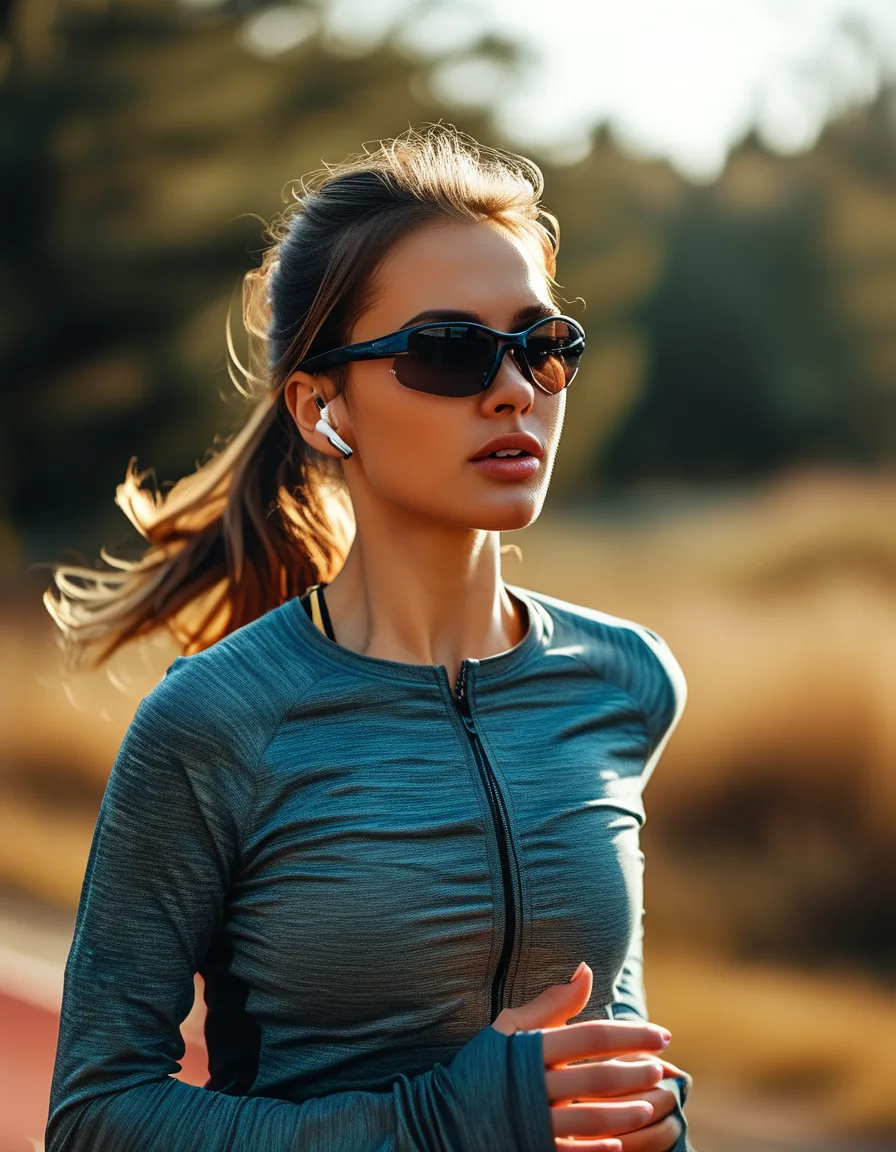
The consequence: a very dark tint on an overcast trail run can flatten depth perception and hide obstacles by cutting too much light, while a light contrast-boosting tint in full bright sun can feel glaring and uncomfortable, meaning a mismatched tint works against visibility rather than for it.
How to Actually Match Lens Color to the Activity
The practical guideline: choosing darker, neutral tints for consistently bright outdoor activities and contrast-enhancing amber or rose tints for trail, overcast, or variable-light activities, and the frame (lens tint changes contrast and depth perception, not just appearance — matching tint to lighting conditions is what actually improves visibility during sport.)
Lens color on sport sunglasses often gets chosen purely by which tint looks best, but darker gray or green tints reduce overall brightness evenly, well-suited to bright, sunny conditions, while amber, rose, or yellow tints boost contrast against blue and green light, which is why they’re favored for overcast days, trail running, or low-light conditions where definition matters more than glare reduction. A very dark tint on an overcast trail run can flatten depth perception and hide obstacles by cutting too much light, while a light contrast-boosting tint in full bright sun can feel glaring and uncomfortable, meaning a mismatched tint works against visibility rather than for it. Choosing darker, neutral tints for consistently bright activities and contrast-enhancing amber or rose tints for trail or variable-light activities is what actually improves visibility during sport.
Keep Reading
This article is for general informational and styling purposes only. Fit, sizing, and product availability may vary.